The Science of Hair Removal: Exploring the Best Techniques for 2025

hollywoodadmin


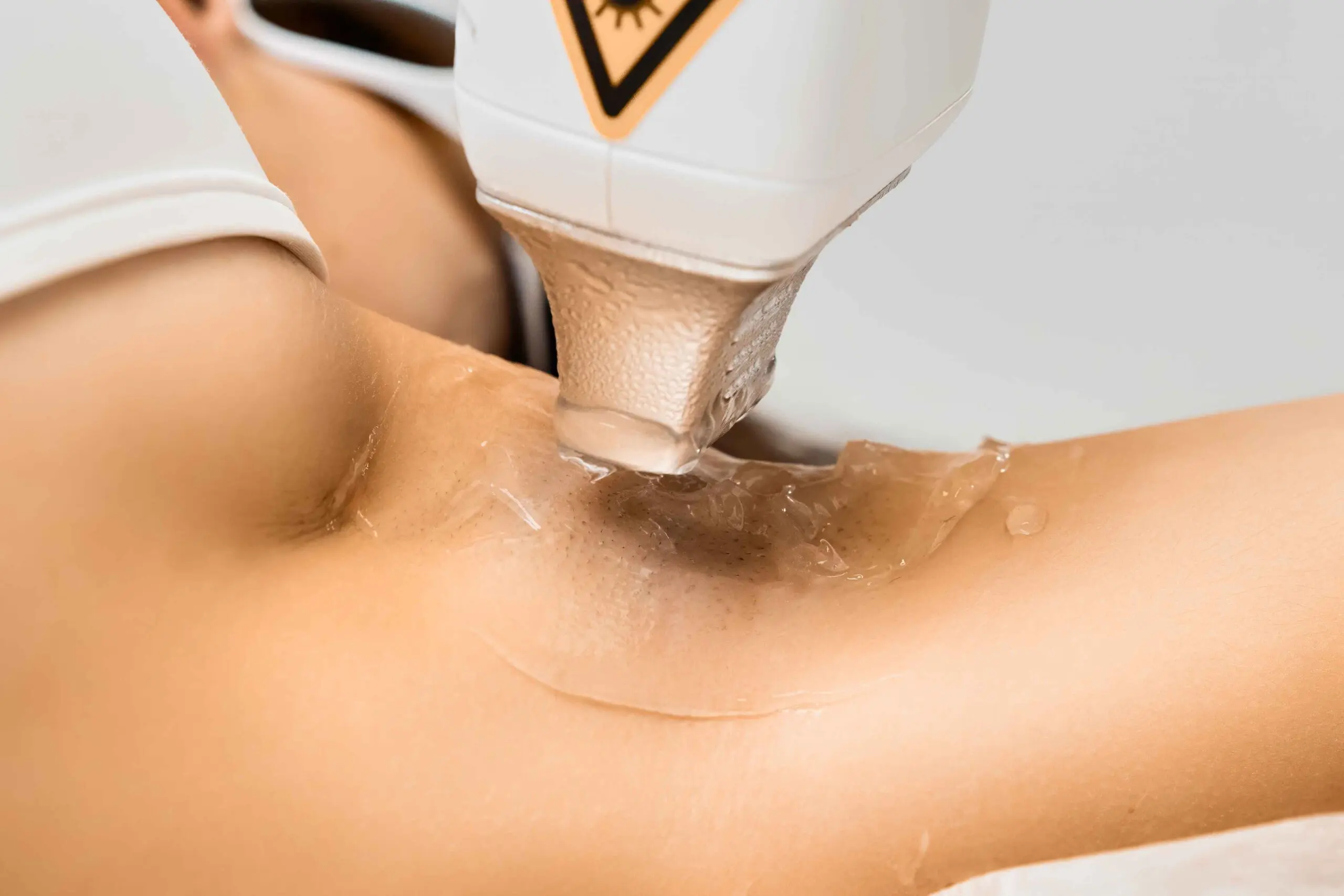
- Explore the latest advancements in hair removal techniques for 2025.
- Understand the science behind electrolysis and its role in permanent hair removal.
- Stay informed about emerging trends shaping the future of hair removal.
Hair removal has been a beauty and personal care practice for centuries, evolving from rudimentary tools to sophisticated technologies. In 2025, the pursuit of smooth, hair-free skin continues to drive innovation in hair removal methods. With a variety of techniques available, understanding the science of electrolysis and other emerging hair removal trends 2025 can help individuals choose the most effective and lasting solutions.
Understanding Hair Growth
To choose the best hair removal techniques, it’s important to understand how hair grows. Hair growth occurs in cycles, consisting of three phases:
- Anagen (Active Growth Phase): Hair follicles are actively producing new hair. This is the best time for permanent removal methods to be effective.
- Catagen (Transitional Phase): Hair stops growing, and the follicle begins to shrink.
- Telogen (Resting Phase): The hair falls out, and the cycle starts again.
Why does this matter? Because most hair removal trends 2025 focus on disrupting the follicle during the anagen phase, when the hair is most vulnerable to removal treatments.
Traditional Hair Removal Methods
Shaving
Shaving is the typical method for hair removal, offering an easy and painless way to remove hair at the surface. However, since it does not affect the follicle, regrowth occurs quickly—often within a day or two.
Waxing
Waxing removes hair straight from the root, leading to smoother skin for a longer period (typically 3–6 weeks). Over time, repeated waxing can weaken hair follicles, resulting in finer regrowth. However, waxing is painful for most people and it can cause ingrown hairs, making it less ideal for sensitive skin.
Depilatory Creams
These chemical-based creams dissolve hair at the surface. While effective and painless, they can sometimes cause irritation due to their harsh ingredients.
While these traditional methods are convenient, they do not offer long-term solutions. In contrast, advanced methods like laser hair removal and the science of electrolysis provide longer-lasting results.
Laser Hair Removal: A Popular Choice in 2025
Laser hair removal uses concentrated light beams to target melanin in hair follicles. The heat damages the follicle, reducing hair growth over multiple sessions.
Benefits of Laser Hair Removal
- Reduces hair growth significantly over time
- Works well for individuals with light skin and dark hair
- Newer laser technologies make it safer for a wider range of skin tones
However, laser hair removal is not permanent. Some hair may eventually grow back, requiring maintenance treatments. This is where the science of electrolysis comes into play.
The Science of Electrolysis: The Only Permanent Hair Removal Method
Among the best hair removal techniques, electrolysis remains the only FDA-approved permanent solution. Unlike laser treatments, which reduce hair growth, electrolysis completely destroys the hair follicle, preventing regrowth.
How Electrolysis Works
A small probe is inserted into each follicle, delivering an electrical current that eliminates the growth cells. There are three main types of electrolysis:
- Galvanic Electrolysis – A process using a chemical reaction that destroys the follicle.
- Thermolysis – Utilizes heat to coagulate follicle cells.
- Blend Method – A combination of both for enhanced effectiveness.
Because electrolysis treats each follicle individually, multiple sessions are required. However, it is suitable for all hair and skin types, making it a standout method in the future of hair removal.
The Future of Hair Removal: What’s Next?
As technology advances, new hair removal trends 2025 are emerging, offering more efficient and convenient solutions.
At-Home IPL Devices
Intense Pulsed Light (IPL) devices have gained popularity for at-home use. While not as powerful as professional treatments, they provide an accessible option for those looking to reduce hair growth gradually.
Combination Treatments
Some clinics now combine laser hair removal with electrolysis for optimal results. The laser reduces overall hair growth, while electrolysis targets stubborn hairs for complete removal.
AI & Smart Hair Removal Devices
Artificial intelligence is being incorporated into hair removal devices, allowing personalized treatment settings based on skin tone, hair type, and sensitivity levels.
Choosing the Best Hair Removal Technique for You
With so many options available, how do you choose? Here are key factors to consider:
- Hair Type & Color: Laser hair removal works best for dark hair on light skin, while electrolysis is effective for all hair types.
- Skin Sensitivity: Waxing and depilatory creams can cause irritation, making gentler methods like electrolysis a better choice.
- Desired Longevity: If you seek permanent removal, electrolysis is the only guaranteed method.
Why Professional Training in Hair Removal is More Important Than Ever
As hair removal trends 2025 continue to evolve, professionals in the beauty and medical aesthetics industries need specialized training. At Hollywood Institute, we provide comprehensive courses covering the science of electrolysis, laser hair removal, and other advanced techniques.
Our programs equip students with hands-on experience, preparing them for successful careers in the rapidly growing field of hair removal and medical aesthetics.
As the landscape of hair removal continues to advance, staying informed about the latest techniques is crucial for achieving smooth, hair-free skin. Whether you’re considering traditional methods or exploring advanced options like electrolysis and laser treatments, understanding the underlying science can help guide you toward the best choice.
For more information on our programs and services, visit Hollywood Institute.